The Future of Cars: Electric, Autonomous, and Smart
Category: cars electric vehicles autonomous driving EV technology smart cars
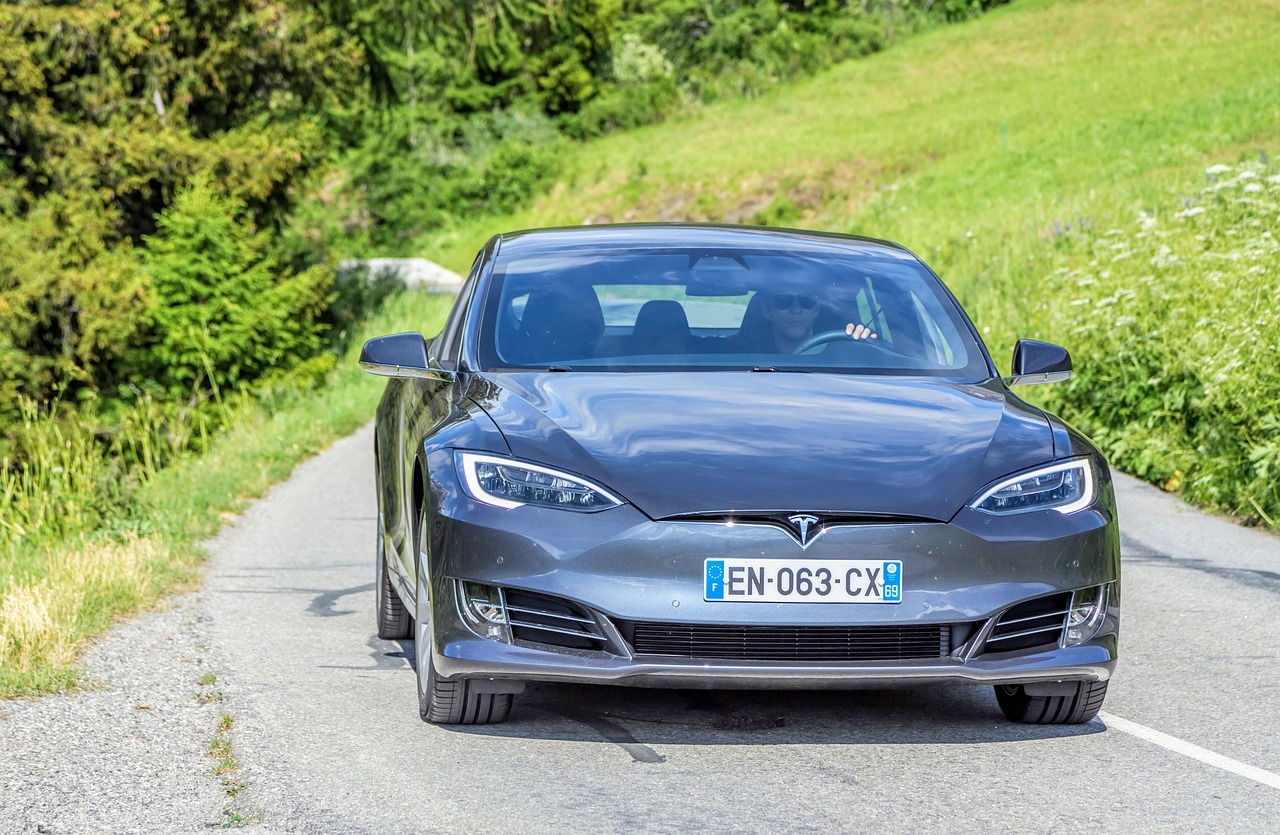
The automotive industry is on the cusp of a major transformation. Traditional gasoline-powered cars are slowly being replaced by electric vehicles (EVs), autonomous technology is revolutionizing how we think about transportation, and smart features are making our rides safer and more efficient. Let’s take a closer look at what the future holds for cars.
Electric Vehicles Take the Lead
Electric vehicles have made massive strides in the last decade. With companies like Tesla, BYD, and Rivian pushing innovation, and legacy automakers like Ford and GM committing to electrification, EVs are no longer a niche product. Advances in battery technology, wider charging infrastructure, and govement incentives have made EVs more accessible than ever.
Not only are EVs better for the environment, but they also offer impressive performance and lower operating costs. The shift to electric is no longer a question of if — but when.
The Rise of Autonomous Driving
Autonomous vehicles, or self-driving cars, are another coerstone of the automotive future. Powered by artificial intelligence, sensors, and machine leaing, these cars are capable of navigating roads with minimal human input. Companies like Waymo and Cruise are already testing robotaxis in select cities.
While full autonomy still faces legal and technical challenges, partial autonomy (like Tesla’s Autopilot or GM’s Super Cruise) is already on the roads. These systems assist drivers with lane-keeping, adaptive cruise control, and emergency braking, paving the way toward fully autonomous travel.
Smart Cars: The New Norm
Today’s vehicles are becoming more connected than ever. Smart cars can communicate with smartphones, home devices, and even other vehicles. Features like over-the-air updates, predictive maintenance, voice assistants, and real-time navigation are now standard in many new models.
In the near future, 5G connectivity will take this to the next level, enabling seamless integration with smart cities and infrastructure. Imagine your car adjusting traffic signals or finding parking on its own — it’s closer than you think.
Conclusion
The future of cars is electric, autonomous, and smart. These changes won’t happen oveight, but they’re coming faster than many expect. For drivers, this means cleaner, safer, and more efficient transportation. For the world, it means a leap toward sustainability and innovation.
Whether you're a car enthusiast or just someone who enjoys the open road, it's an exciting time to be part of this revolution.