Muscle Cars: The Roar That Never Dies
Category: muscle cars American cars car history performance V8
Few things in the automotive world stir the soul like a muscle car. With their massive V8 engines, aggressive looks, and raw performance, muscle cars are more than machines — they're cultural icons. They represent freedom, rebellion, and power in its purest form. Even in today’s world of electric motors and self-driving tech, muscle cars still have an audience that swears by the rumble of a combustion engine and the thrill of buing rubber.
The Origins of Muscle Cars
The muscle car era officially kicked off in the early 1960s, although its roots stretch further back. Post-WWII America saw an economic boom, a youth explosion, and an obsession with speed. Car manufacturers noticed this and began creating powerful but affordable vehicles that appealed to young, thrill-seeking drivers.
The first true muscle car? Many argue it was the 1964 Pontiac GTO — a mid-size car with a massive 389 cubic-inch V8 and the swagger of something twice its price.
From there, it was a horsepower war:
-
Dodge Charger
-
Chevrolet Chevelle SS
-
Ford Mustang Boss 429
-
Plymouth Road Runner
-
Buick GSX
These weren’t just cars — they were street-legal drag racers.
Performance Meets Pop Culture
Muscle cars weren’t just dominating tracks — they became part of American identity. Films like Bullitt, Vanishing Point, and Gone in 60 Seconds cemented their status. Steve McQueen’s Mustang chase scene is still legendary today.
Cars like the Dodge Challenger and the Camaro SS became symbols of a rebellious, high-octane lifestyle. In cities and suburbs alike, muscle cars were loud, proud, and impossible to ignore.
What Defines a Muscle Car?
While definitions vary, most enthusiasts agree that a muscle car must check a few boxes:
-
Large Displacement Engine – Usually a V8.
-
Rear-Wheel Drive
-
Two-door Coupe (but exceptions exist)
-
Affordable Price for the Performance
-
Straight-line Speed over Coering
It wasn’t about refinement — it was about raw power and brutal acceleration.
The Fall and Comeback
The original muscle car era didn’t last forever. By the mid-1970s, it was nearly dead due to:
-
Oil crises
-
Stricter emissions regulations
-
Rising insurance costs
-
Safety conces
Horsepower plummeted. Iconic models were either discontinued or watered down.
But they never truly disappeared.
By the mid-2000s, American automakers saw the nostalgia and passion still alive in fans — and the muscle car made a comeback. Mode versions of the Mustang, Challenger, and Camaro retued with retro-inspired styling but mode engines, suspensions, and tech.
Mode Muscle: The Best of Both Worlds
Today’s muscle cars are faster and smarter than ever.
Examples:
-
Dodge Challenger SRT Hellcat – 707+ horsepower. Supercharged insanity.
-
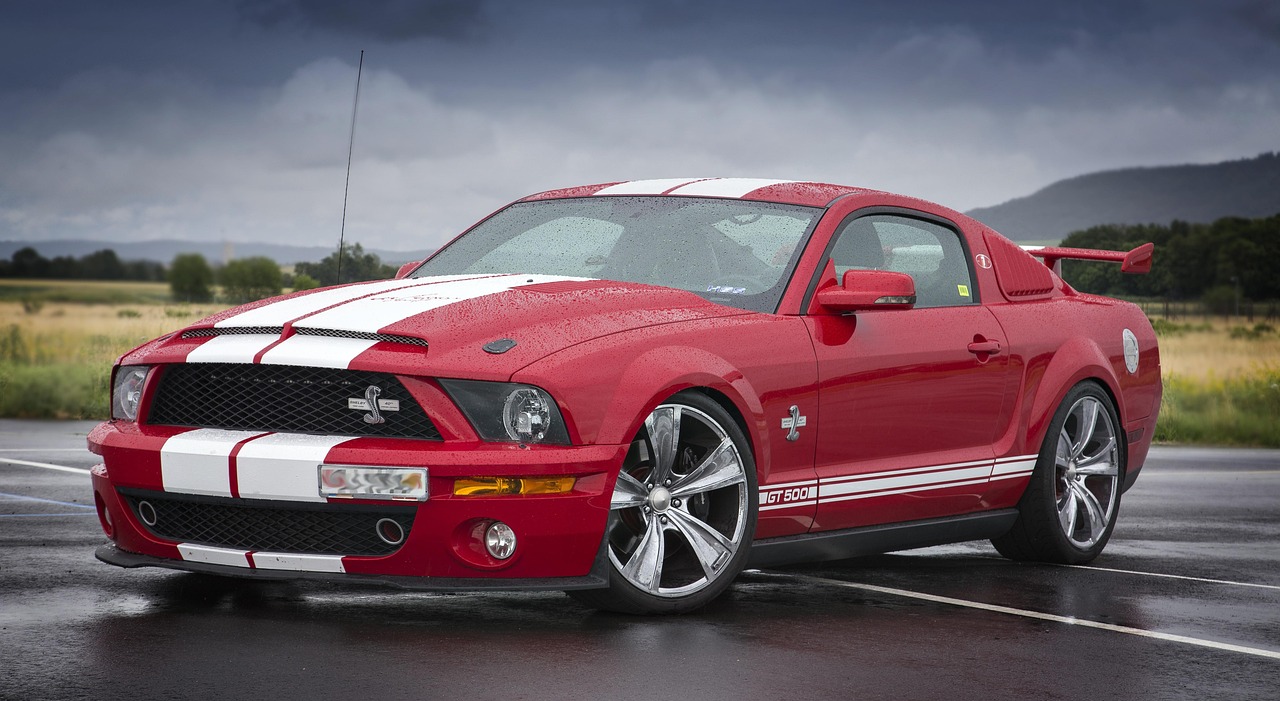
Ford Mustang GT500 – Precision and performance with track-day ability.
-
Chevy Camaro ZL1 – A 650 hp monster with real handling chops.
These cars combine brute power with digital finesse: launch control, magnetic ride suspension, adaptive exhausts, and even track apps.
And with the coming wave of electric muscle, like the Dodge Charger Daytona EV, the definition of “muscle” is evolving.
Why Muscle Cars Still Matter
Muscle cars are important for more than just 0–60 times. They represent:
-
Freedom on the open road
-
Mechanical simplicity and honesty
-
A rebellious spirit that resists automation and conformity
They connect us to a past when cars were loud, raw, and full of soul — when driving was about feel, not software.
Muscle Car Culture Today
Across the U.S. (and globally), muscle car culture is alive and thriving:
-
Car meets, drag strips, and buout competitions
-
Restomods — classic bodies with mode tech
-
Online communities — YouTube builds, TikTok reels, and Facebook groups
Whether it’s a garage-built ‘68 Charger or a factory-fresh 2025 Mustang Dark Horse, the passion is real — and it's not going away.
Final Thoughts
Muscle cars may not be for everyone. They're not the most efficient, practical, or eco-friendly. But for those who love the feel of power, the rumble of a V8, and the smell of rubber on asphalt — they’re unbeatable.
In a world moving rapidly toward electric, digital, and silent transport, muscle cars remind us that sometimes, pure emotion still wins.